How Korean Beauty Is Shaping Global Retail Experiences
A decade ago, Korean beauty was something enthusiasts sought out in specialty shops and online forums. Today it is impossible to walk through a major beauty retailer anywhere in the world without seeing its influence.
What started as a distinctly Korean approach to skincare and cosmetics has grown into a global blueprint for how modern beauty should feel, perform, and be experienced in store. From Ulta Beauty and Sephora in North America to Boots and Douglas in Europe and Watsons across Asia, Korean brands now sit at the center of mainstream assortments. Their success is not just innovative serums or viral lip tints. K-Beauty has introduced a new way of thinking about beauty retail – one that combines science, storytelling, playfulness, and genuine consumer connection.
The rise of K-Beauty is supported by strong economic fundamentals. In 2025, the global market for Korean beauty products is estimated to be worth around USD 11–12.5 billion, with steady growth projected for the years ahead. South Korea’s domestic cosmetics market has expanded to roughly USD 19 billion, making it one of the most sophisticated and innovation-driven beauty ecosystems in the world.
The United States has emerged as a particularly important growth engine. By 2025, the U.S. represents more than half of all global online K-Beauty sales – a remarkable shift in just a few years. In Europe, Korean brands have moved decisively from niche specialists into the mainstream, with retailers such as Boots and Douglas expanding ranges and creating dedicated experiences around them. Globally, Korean cosmetics exports exceeded USD 10 billion in 2024, rising more than 20% year-on-year. These figures reveal something significant: K-Beauty is not only exporting products. It is exporting an entire approach to innovation, engagement, and retail design that resonates with today’s consumers.
K-Beauty’s global success is rooted in three deep shifts in consumer behavior.
- The first is a new definition of value. Modern shoppers expect high performance but are increasingly skeptical of inflated prestige pricing. Korean brands disrupted the old model by delivering science-backed results at accessible prices. Ingredients such as fermented extracts, snail mucin, cica, PDRN, and next-generation peptides are presented with clear, transparent explanations rather than vague luxury promises. The message is simple: efficacy should not be out of reach. This philosophy has forced many established Western brands to rethink how they justify premium positioning.
- The second shift is philosophical. While much of traditional Western skincare focused on aggressive correction, K-Beauty popularized a gentler, prevention-first mindset. Instead of quick fixes, the emphasis is on hydration, barrier protection, and long-term skin health. As more consumers experience sensitivity, redness, and routine fatigue, this approach feels modern and caring. Concepts like “skinimalism” and barrier repair, once considered niche, are now mainstream conversations in every region.
- The third reason is emotional. K-Beauty transformed beauty shopping from a functional task into a journey of discovery. Fast innovation cycles, unexpected textures, and playful formats – from cushion foundations to jelly masks and glossy tints – invite consumers to touch, test, and explore. Products are designed not only to work, but to delight. In a social-media-driven world, this sense of fun and experimentation has become incredibly powerful.
At Array Marketing, we see every day how this cultural energy can be translated into impactful in-store experiences. The most successful K-Beauty executions understand that it is not enough to simply place products on a shelf. The environment must reflect the same creativity and accessibility that made the category popular in the first place.
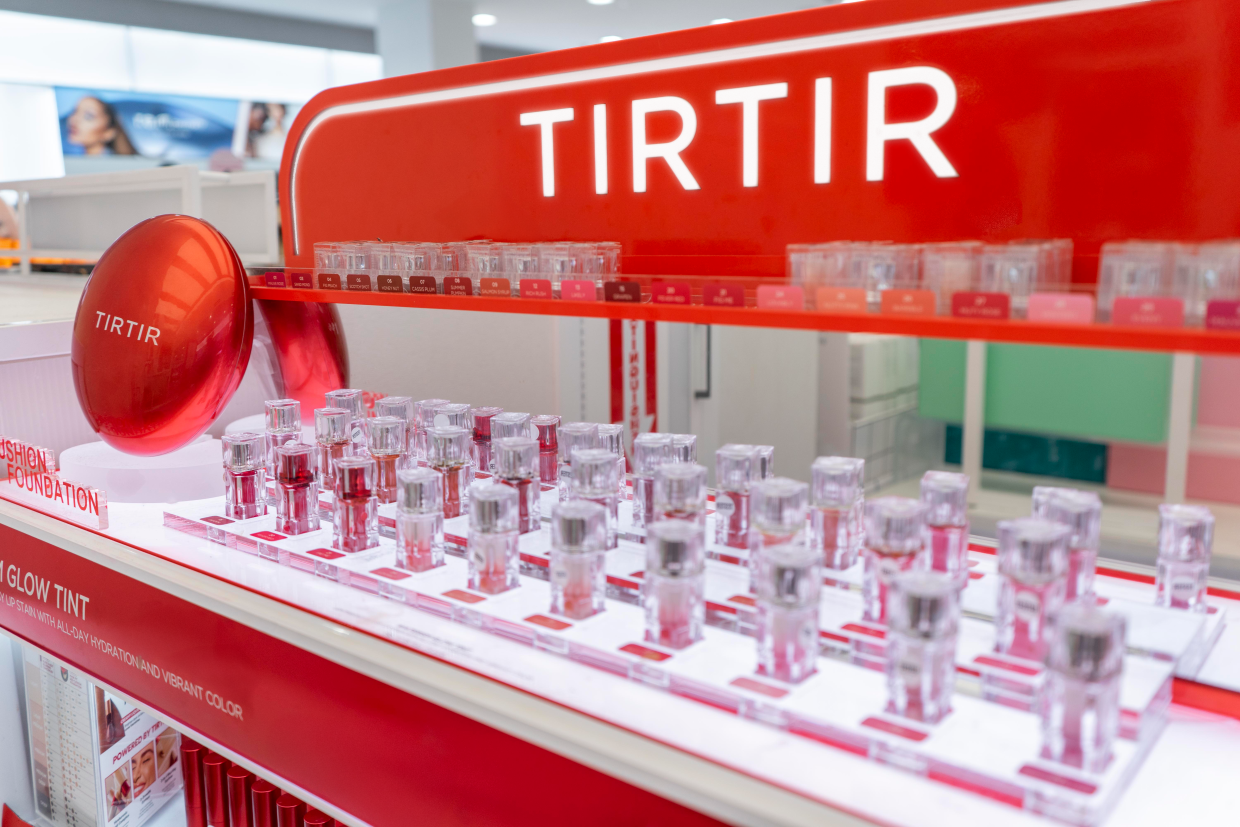
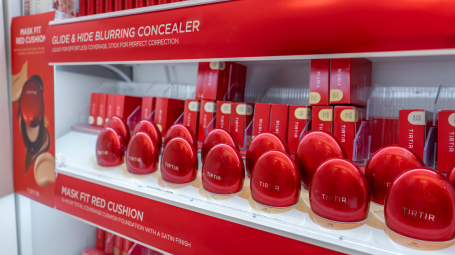
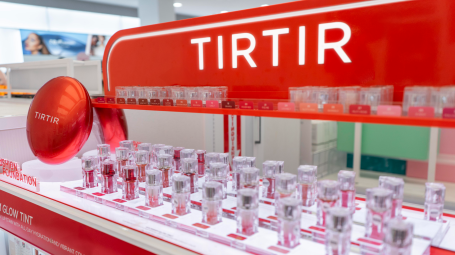
Our work with TIRTIR at Ulta Beauty illustrates this perfectly. By creating bold, highly visual displays centered around the brand’s iconic Cushion Foundation, we helped transform ordinary beauty aisles into engaging K-Beauty destinations. Clear merchandising and interactive presentations encouraged shoppers to test shades, explore textures, and experience the products for themselves – reinforcing both credibility and shareability.
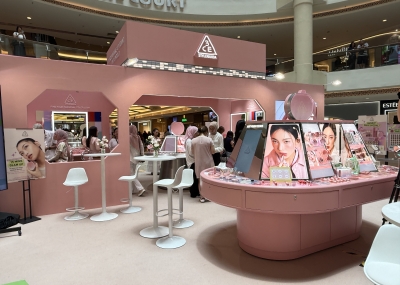
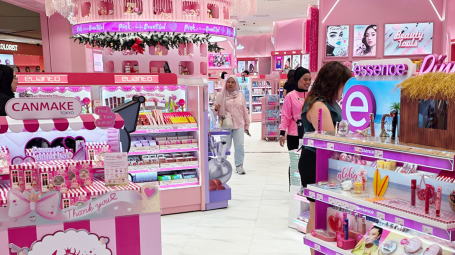
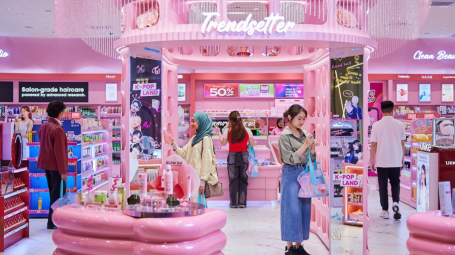
A different challenge came with Watsons in APAC, where we partnered to help develop the premium “Pink” store concept. The goal was to create a trendy, immersive boutique space showcasing leading K-Beauty brands. Delivered in just five weeks, the project proved that Korean-inspired retail can move at remarkable speed without compromising on quality or operational excellence.
With 3CE Cosmetics, in collaboration with L’Oréal, we brought the brand’s playful Seoul energy to life through pop-up environments filled with bold graphics and interactive elements. The design captured attention, but it was the combination of fun and high-performance products that turned curiosity into confident purchasing.
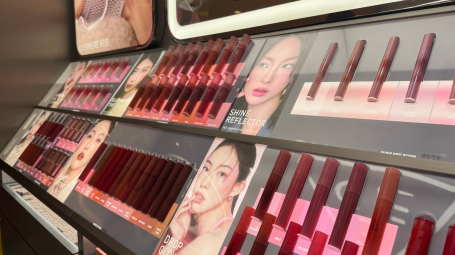
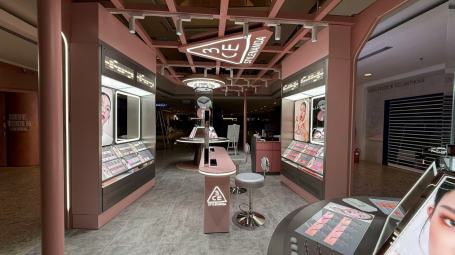
Across all these projects, one lesson remains constant: K-Beauty retail is about creating moments that feel vibrant, accessible, and authentic.
Looking ahead, K-Beauty’s influence on global retail is set to deepen rather than fade. We expect to see Korean brands become even more embedded in core assortments. What once lived in special trend zones is increasingly treated as essential everyday skincare and makeup. Retailers recognize that K-Beauty drives traffic, discovery, and dwell time – exactly the behaviors needed to keep physical stores relevant.
Omnichannel experiences will also evolve rapidly. Korean brands are natural leaders in livestreaming, social commerce, and community-driven launches. The next generation of retail will combine digital engagement with tactile in-store experiences, allowing consumers to move seamlessly from online inspiration to physical exploration.
Localization will be another critical theme. As K-Beauty grows in EMEA and North America, brands will adapt shade ranges, textures, and messaging to local preferences while maintaining the authenticity that defines them. The winners will be those that balance global appeal with regional relevance. Finally, the boundaries between beauty, wellness, and technology will continue to blur. With Korea at the forefront of beauty devices, diagnostics, and personalized routines, the category is expanding beyond traditional cosmetics into broader self-care ecosystems.
K-Beauty’s global rise is far more than a passing trend. It represents a structural change in how consumers think about beauty and how retailers bring it to life. It has raised expectations around innovation speed, product transparency, and in-store engagement. Most importantly, it has reminded the industry that beauty should be effective, accessible, and enjoyable.
For brands and retailers, the opportunity is clear. Those who embrace the creativity, agility, and experiential mindset of K-Beauty will be best positioned to win the loyalty of the next generation of shoppers.