Retail’s New A-Team: AI, Aisles, and Analytics
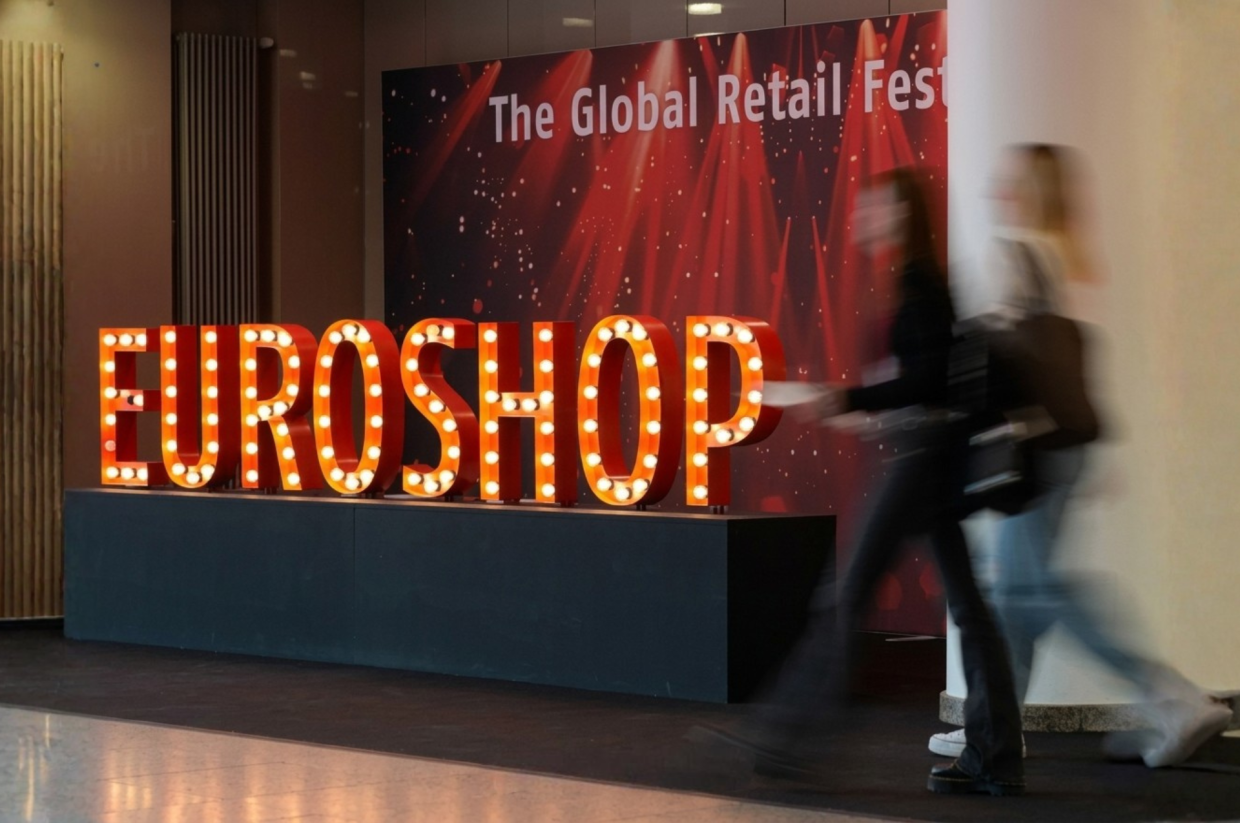
EuroShop 2026 provided a comprehensive view of how retail is evolving, not through isolated trends, but through a broader structural transformation. Across the exhibition, the convergence of technology, design, and operations revealed a clear direction: physical retail is no longer defined primarily by how it looks, but by how it performs.
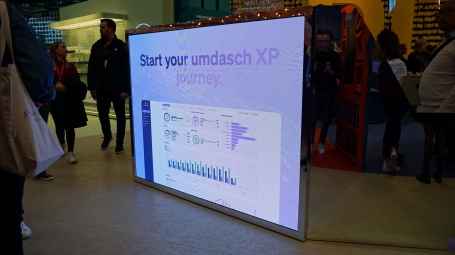
One of the most significant shifts in retail is the transition toward measurable environments. Historically, decisions around store design and fixtures were often guided by experience, brand intuition, or qualitative feedback. This is rapidly changing. Advances in AI and behavioural analytics now allow retailers to track how customers move through space, what they engage with, and how long they interact with specific elements. Metrics such as dwell time, viewing time, and interaction are emerging as critical indicators for evaluating performance before purchase even occurs. In practice, this means retail concepts can be tested and validated prior to large-scale investment. The implication is clear: design is no longer assumed to be effective; it must be proven.
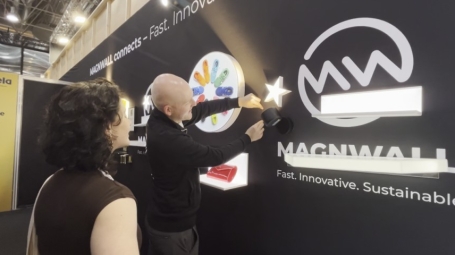
At the same time, the construction of retail environments is undergoing a parallel transformation. The prevalence of modular systems reflects a move away from fixed installations toward adaptable, system-based infrastructure. Retail spaces are increasingly conceived as frameworks rather than finished builds, allowing for continuous reconfiguration in response to changing product assortments, campaigns, and operational requirements. This shift is driven not only by the need for agility, but also by a growing emphasis on lifecycle performance. Environments must deliver immediate impact while also supporting long-term efficiency, reuse, and scalability across multiple locations.
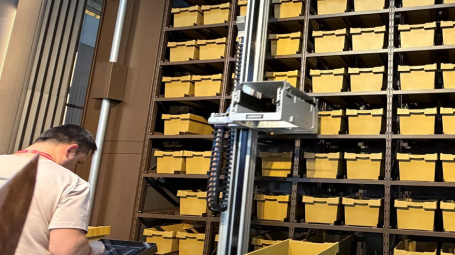
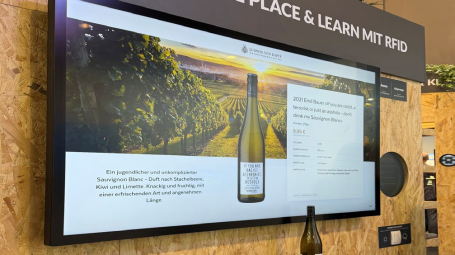
Digital technology plays a central role in enabling this transformation. Rather than acting as a supplementary layer, digital has become the backbone of modern retail environments. Systems such as RFID, real-time analytics, and AI-driven optimisation tools are now embedded within the store, supporting everything from stock visibility to customer journey management. The value of these technologies lies not in their individual capabilities, but in their integration. Retail environments are evolving into connected systems, where physical space and digital intelligence operate together. Without this integration, even advanced technologies risk becoming underutilised.
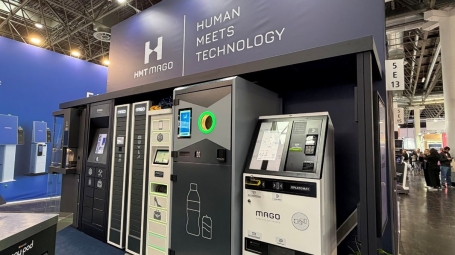
A further development, closely linked to this digital foundation, is the rapid emergence of retail as a media platform. A significant proportion of exhibitors at EuroShop presented solutions related to retail media, highlighting its role as one of the fastest-growing areas within the industry. Stores are increasingly used as channels for content delivery, advertising, and data-driven engagement. Through the integration of digital signage, content management systems, and customer data, retailers can deliver targeted messaging and measure its effectiveness in real time. This represents a shift from retail as a cost centre toward retail as a revenue-generating platform.
While these developments point toward increasing standardisation in how retail operates, differentiation is simultaneously shifting toward experience, storytelling, and cultural relevance. Insights from design-focused discussions at EuroShop highlighted the importance of environments that reflect local identity and create meaningful engagement. This is particularly evident in emerging markets, where retail often plays a broader role in education and discovery. In these contexts, stores are not only places of transaction but spaces of exploration and narrative. Technology does not replace this experiential layer; it enhances it, enabling new forms of personalisation and interaction.
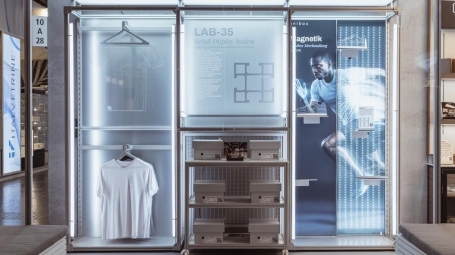
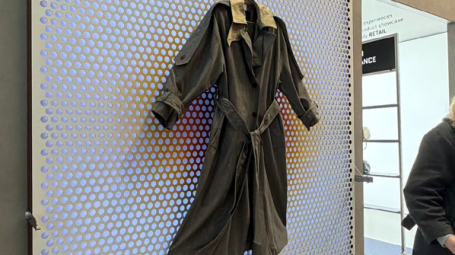
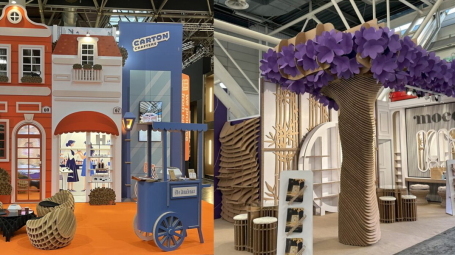
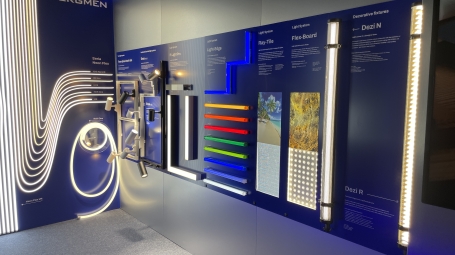
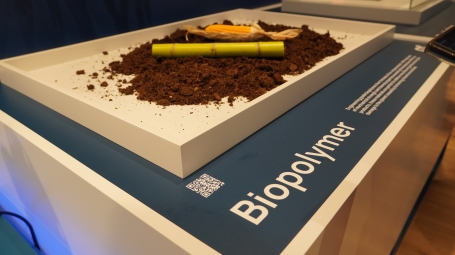
Within this evolving landscape, elements such as lighting and materials are taking on new strategic importance. Lighting is no longer limited to illumination; it is increasingly used to define hierarchy, guide attention, and shape perception. It operates as both a functional and experiential tool, influencing how products are seen and how spaces are navigated. Similarly, materials are being used not only for construction but as carriers of meaning, communicating quality, sustainability, and brand identity. The growing emphasis on tactility and authenticity reflects a broader shift toward more sensory, experience-driven environments.
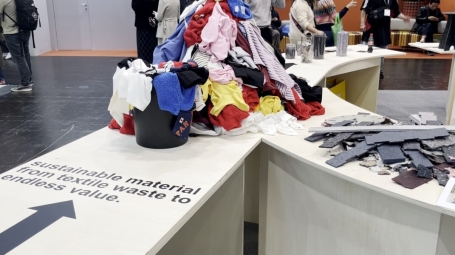
Sustainability is also undergoing a significant transformation. The focus is shifting from messaging toward measurable, system-level impact. Rather than emphasising individual materials, the industry is increasingly focused on durability, reuse, and lifecycle optimisation. Retail environments are being designed to minimise waste, extend lifespan, and support circular models. In this context, sustainability is no longer an add-on; it is becoming an operational requirement embedded within the design and delivery of retail environments.
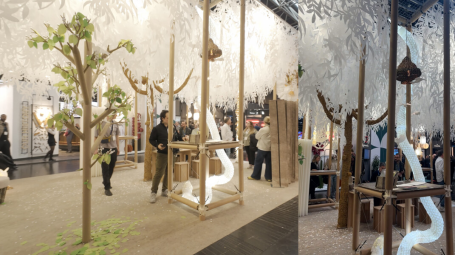
Taken together, these developments point toward a retail model that is fundamentally more integrated. Design, technology, data, and operations are no longer separate considerations but interdependent components of a single system. This is reflected in the evolving competitive landscape, where companies that traditionally operated as fixture or shopfitting providers are increasingly expanding their offerings to include digital systems and analytics as additional services. The result is a shift toward platform-based models, where value is created through integration rather than individual components.
For companies operating within this space, the implications are significant. The ability to deliver high-quality physical environments remains essential but is no longer sufficient on its own. Increasingly, success will depend on connecting design with performance, infrastructure with flexibility, and experience with measurable outcomes. Retail environments must not only be built but continuously optimised.
EuroShop 2026 did not present a single dominant trend, but rather a coherent direction of travel. Retail is becoming more measurable, adaptive, integrated, and accountable. The future of physical retail will be defined not by isolated innovations but by the ability to bring these elements together into systems that deliver both operational efficiency and meaningful customer experiences.
Photo credit (cover image): Messe Düsseldorf / Tillmann